
On the water with Louise: Women have always fished
Australian Women in Fishing:
A Snapshot of History
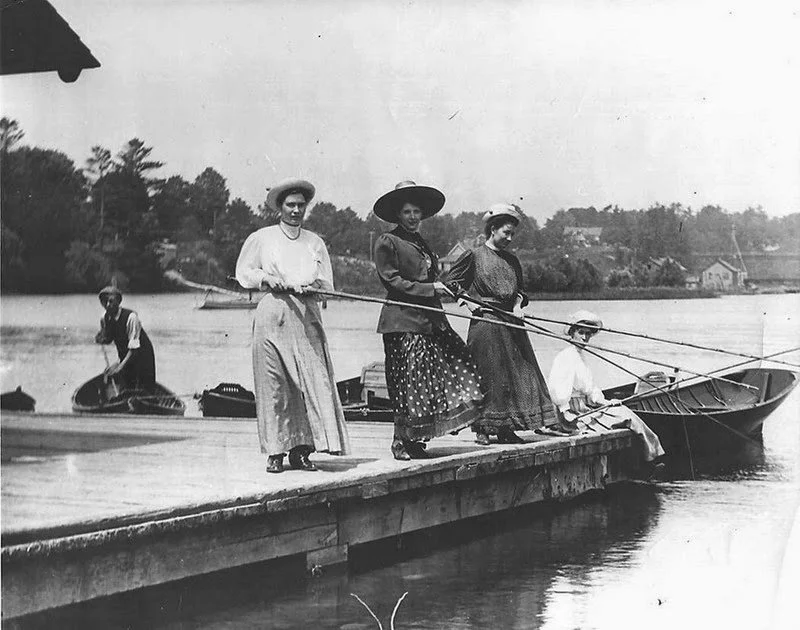
Fishing has, in modern times, had a strong connection to males. Fishing is commercial, recreational, sport and cultural to tourism. It is a multi-million-dollar industry. Fishing-related entertainment is available through practically every form of modern media and communications. Movies (yep, even the one about a really big shark... the famous line, “We’re gunna need a bigger boat!”), books, TV, podcasts, and so on...
So, what about us girls? Have we just discovered fishing?
The answer is simple! Girls fish, are fishing and have been fishing for as long as the human race discovered that if you put something yummy on a hook device attached to line and put it in where fish are, you are going to get yourself a feed of fish. Fishing for women in the early days would have mainly been done to provide food.
So, let’s talk girls and fishing.
First Nations Women Fishers
“Fishing is actually sacred to us; it’s really part of our Culture. So, if people want to go fishing and if they want to do it our way, then they’ll learn the sacredness. You never take more than you need, for a start.” – Sue Haseldine, Kookahta/Mirning woman.
Before settlers arrived to colonize Australia, First Nations people were harvesting the waters for fish, designing fish traps using stone and woven structures built across creeks, rivers and tidal zones to catch fish sustainably and to store them. Many of these techniques are marveled at today.
Stories and accounts from first settlers make mention of First Nations women soaking, pounding and then rolling fibres to create line, and fishhooks made from various shells, bone or hardwood. This was as much a sense of community and culture as it was necessity. Necessity to feed, share culture and to pass onto the next generation techniques, as well as an excuse for the girls to get together for a chat, catch up on gossip, possible play date time for the kids.
Stories of First Nations women paddling out in a canoe in various weather conditions and distances mean they must be credited as master skippers. These women also understood the dangers of the water, whether it be weather, tidal waters, current or other factors, for example crocodiles in the northern parts of Australia.
Berleying up fish could often involve chewing crustaceans and then spitting it into the water to berley up the fish. Bush knowledge of plants could also be used, with plants crushed to stun fish in rock pools and waterholes for easy harvesting.
Children often accompanied their mothers in canoes, which, I give them much respect! (How many of us have thought of a family outing? “Come on kids, we are going fishing; we will have fish for dinner!” The fishing is often intermittently peppered with the steady hum... “Mum! My line is tangled, why aren’t the fish biting, I’m hungry, when are we going home, I’m bored...
These amazing women could also be heard singing fishing songs which transfixed colonists as they drifted over the water. These were often sung keeping time with the paddling. I can only imagine how beautiful it would have been to see and hear, in addition to the surrounding scenery without jet skis, motorized boats and duff-duff music.
These women were educated in their environment, season and what fish would be running, what bait the fish were feeding on, and which technique would get the best result. The other advantage they had over the colonists was what fish to keep and what not to keep. They also understood to only take what they need. This is vital to ensure that overfishing does not happen and to maintain fish stocks for the future. This is a lesson some of us are still to learn.
Spearfishing was largely done by men and still holds true today but... give it time. 😉
First Nations women also conducted practices in fishing that we may raise an eyebrow at, but it must be remembered that these are steeped in culture and belief and connected the female to the water and the land, and that they then became one.
Fishing, although a requirement for survival, has a deep cultural significance. It would also play a vital part in female society and connection.
Australian Settlers: First Fleet and Beyond
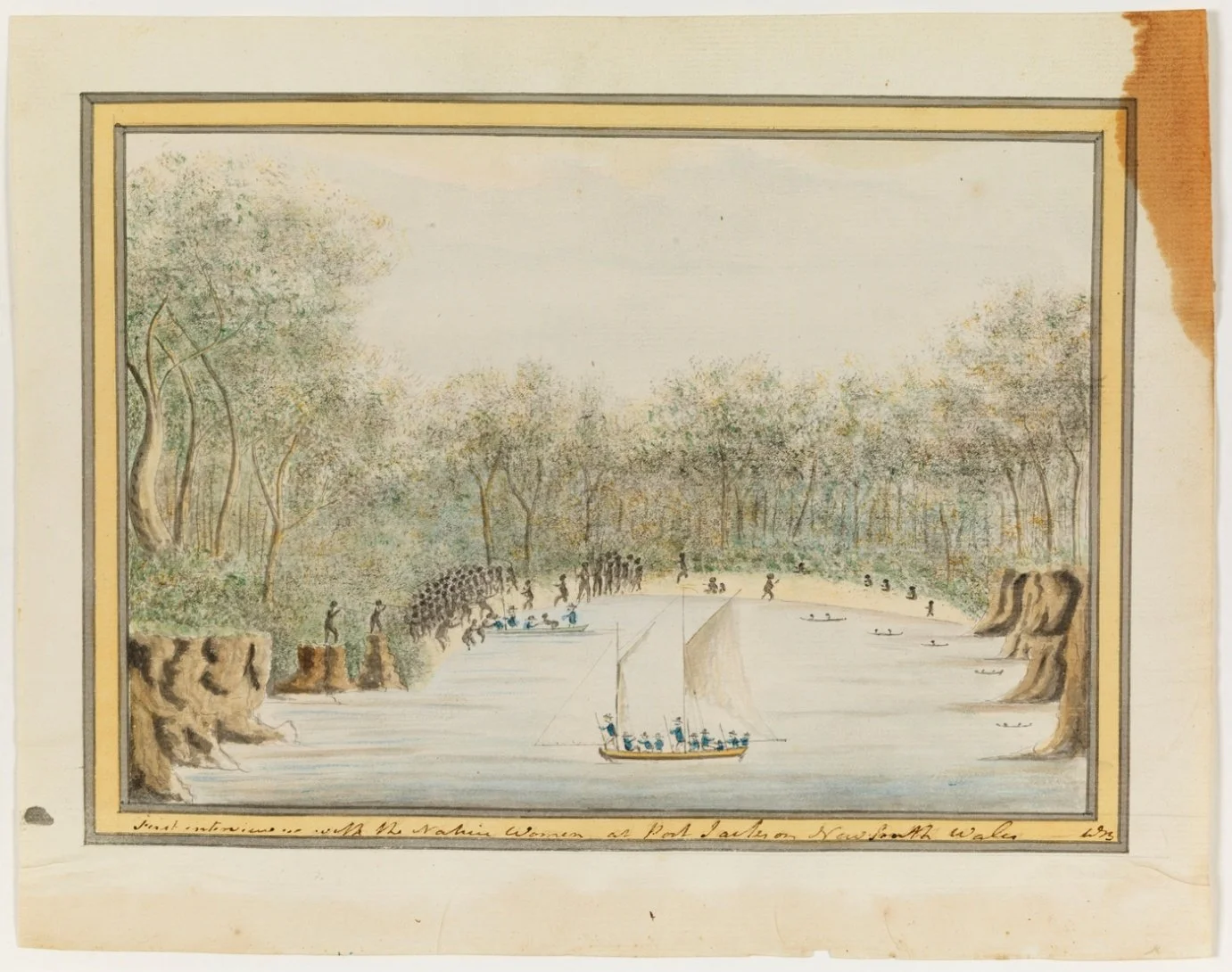
First Nations peoples would have come into contact with people from various nations prior to colonisation by the British.
The sight of Europeans would have been quite bewildering to First Nations people.
The Colonists
I am using this term colonist “loosely” as Australia was colonised by people both of convict transportation and immigration. They came from all over the world; some had no say in coming. The term “Australian Royalty” is often a tongue-in-cheek term, and with true Australian larrikinism, for people who trace their ancestry to a convict descendant. Some came to escape war or persecution, some came with riches and some to chase the dream of striking it rich in the gold fields, the dream of a better life.
Life for these people would have been quite an eye-opener. The landscape, the distance from what they had known and were familiar with, the plants, animals, the weather and difference of the seasons...
“It’s Christmas and it’s a million degrees and I am wearing this outfit with 20 petticoats, corset and shoes and now to go visit I must wear a hat! Seriously! A hat!”
For the women whose situation was more about survival, looking after her family with very little available to them, the concern of the fashion of the day or society would have been dramatically overshadowed by the need to provide food and care for the family. In the 1860s, 40% of children did not reach their 5th birthday. The struggles for women new to this country would have been hard. They didn’t have the knowledge of the First Nations women. The only fishing knowledge they would possibly have had would have been in connection to their country and upbringing.
What could they do? Simple handlines, crude nets, learning the knowledge from First Nations women. Basically, trial and error. Bartering, if possible, with First Nations women for a feed of fish or shellfish.
As the new colony grew, some homesick genius decided that they would bring over all the animals they knew how to shoot and fish for. That will be fun! This is the start of some of our biggest environmental problems, along with extinction of some of our native species, but that is a rant for another time.
Back to the girls. Women fished for food and income and some with a more comfortable living fished for recreation, although I dare say some were brought back for Friday night’s “fish and chips”.
Elizabeth Macquarie, wife of Lachlan Macquarie, the Governor General of New South Wales, took up line fishing in local waters and did, upon occasion, outfish her husband. (Respect sister!)
Biddy Giles, a Dharawal woman, guided settlers on fishing tours around Botany Bay.
As Australia developed and industry grew, women started working in the factories processing fish.
Women still fished for food, recreation and started to compete as a sport. The development of women fishing as a sport really came to light in the 1930s. Women not only fished with the regular handline or rod but were now fly fishing, where skill was required to cast an artificial fly into an area where a fish was present or a landmark that looked favourable for fish habitation.
By 1936, derbies in fishing were seeing higher rates for women competitors than men. We must remember that in the early part of the twentieth century, the world saw WWI, the Great Depression and WWII. This would have seen many women using their skills once again to provide food for their families, with many men looking for work or fighting in the war. We must note that some men never returned to their families. Some returned but were broken by the experience.
As the world has grown and we have grown, women are coming out of the shadows.
While we still nurture our children and the child at heart (you know who I mean), the sleepless nights, cut fingers, various illnesses, broken hearts, the late-night taxi service. Our role is a big one, but that’s who we are.
We have moved into the workforce, taking on roles that have historically been reserved for males. We have made our mark in all areas. With the movement of women into the workforce comes the opportunity for independence. We have an income.
With this independence, fishing clubs have formed. These clubs aimed at women help guide women into the area of fishing, whether it be for food, recreation or sport. Some tournaments have female categories and some now have one category, everyone together.
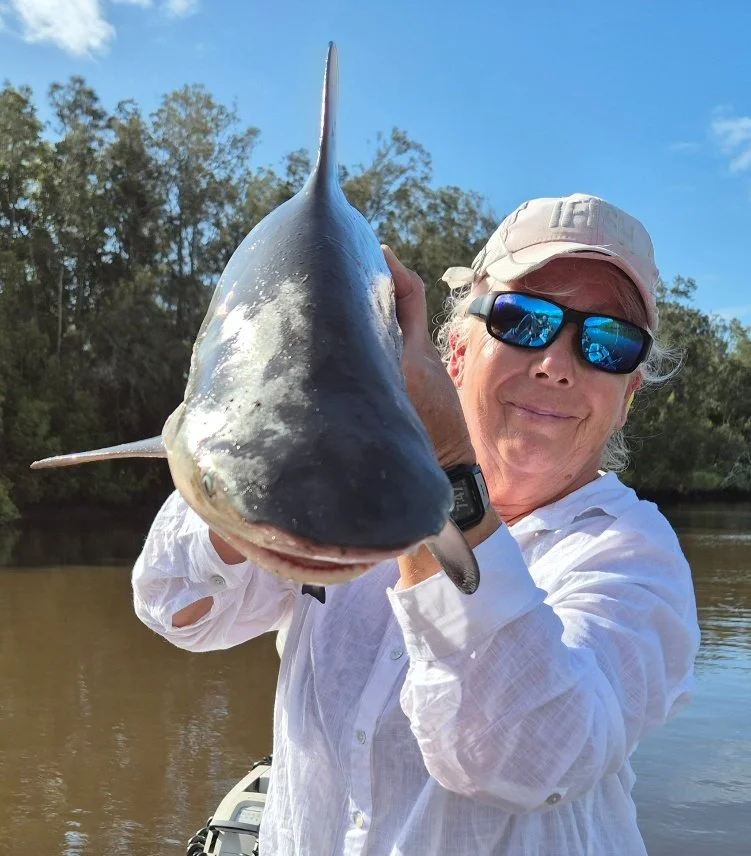
I have personally competed in the latter and have finished on the podium and have always received the respect from my male counterparts.
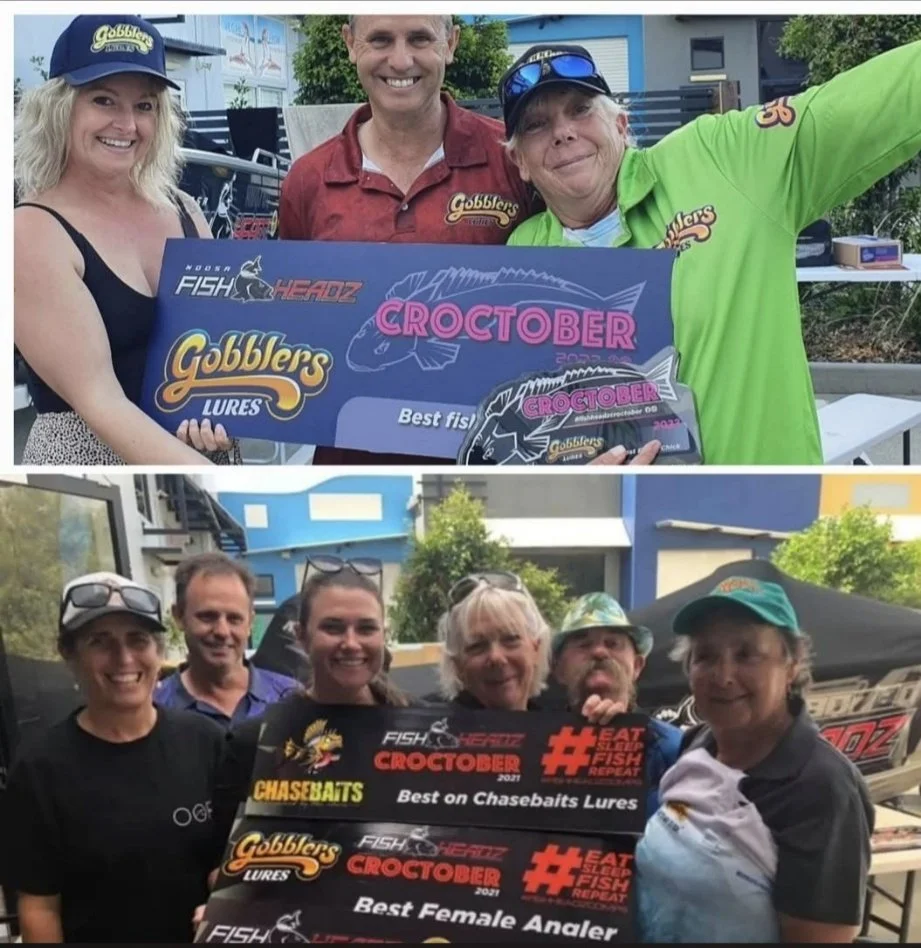
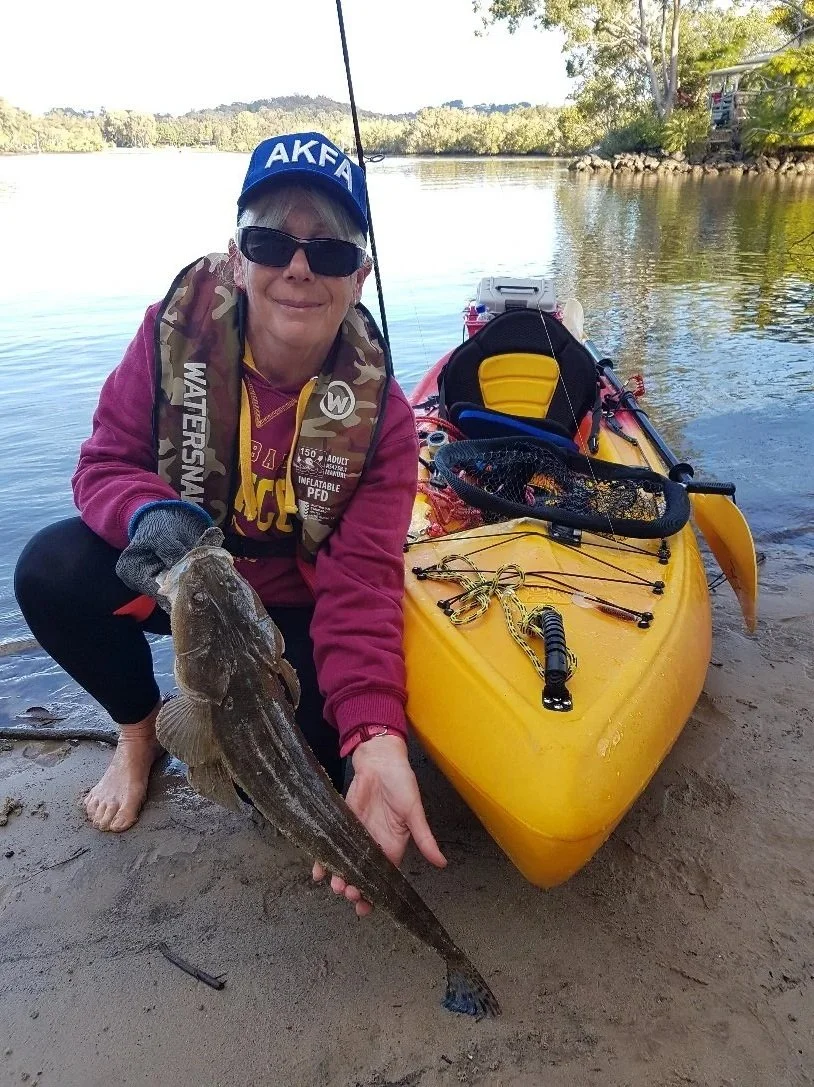
Women have fished and will continue to fish. Women now run successful fishing charters, commercial fishing, tourism, environmental education, science, media, tournaments and mentoring.
Fishing for food continues. However, we need to understand we need to fish responsibly. Take only what you need. Preserve our stocks for the future.
Finally, ladies, do you have a yearning to give it a go? You don’t need to spend a fortune on equipment or clothing. Reach out. Social media is a good place to start. It won’t take long before another fisho lady will find you. Facebook is a popular place to start.
It’s in our female DNA. It is a legacy brought down through the generations.
Be proud and smile if someone tells you you can’t. Because we know different. History tells another story.